Ahead of the First Snow, Denver Flooring Contractor Explains What Road Deicer Does to Floors
Oct 11, 2026
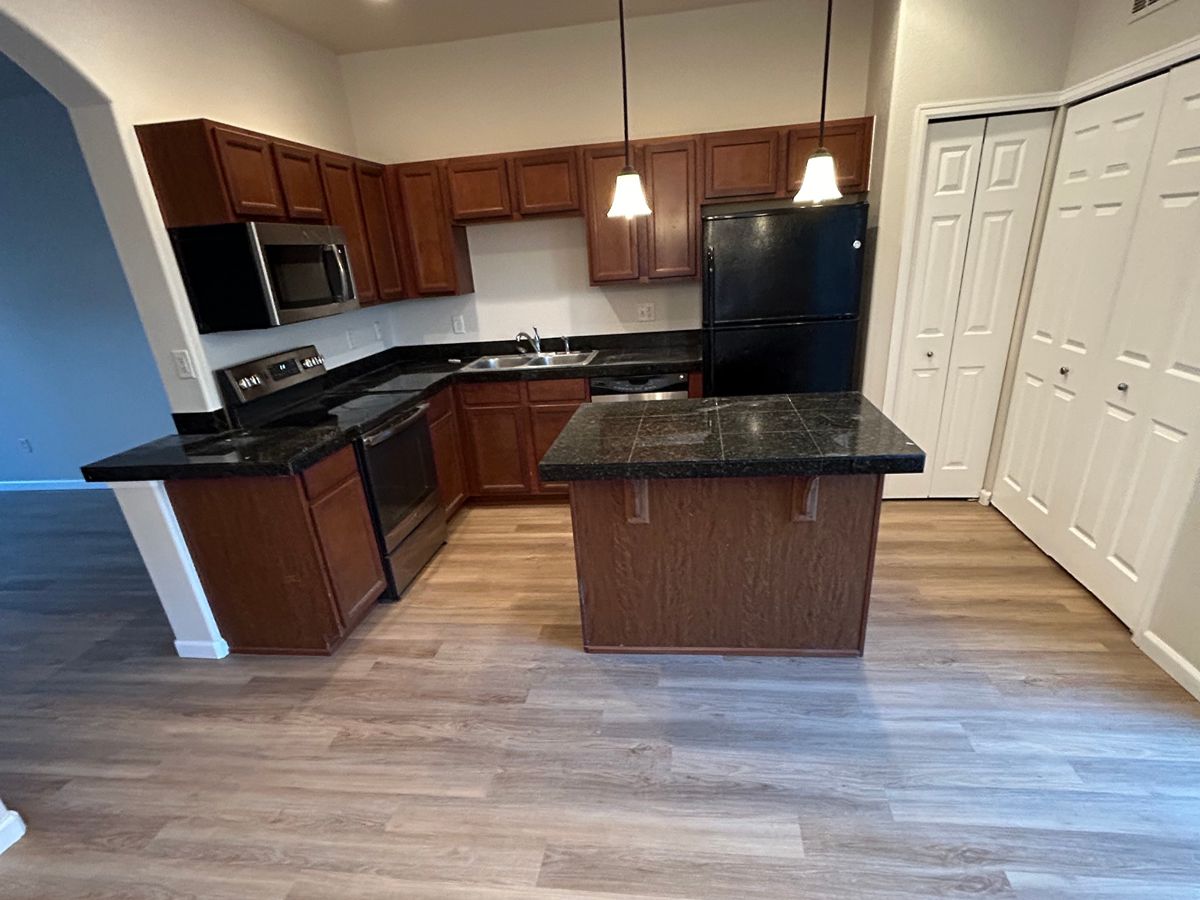
Denver’s residential plows carry no deicer, so the salt and magnesium chloride in a home’s entryway rides in from the main roads. CMC Flooring explains what it does to hardwood, LVP, laminate and carpet, and how to stop it.
Denver, Colorado Oct 11, 2026 (Issuewire.com) - With Denver's median first measurable snowfall landing around October 18, CMC Flooring LLC, a Denver-based flooring installation company, is explaining something most homeowners have never considered: the white crust and oily film that show up on entryway floors every winter are usually not coming from the street out front.
Denver's Department of Transportation and Infrastructure treats roughly 2,050 lane miles of main streets with a fleet of large plows that apply deicer, using a solid product that is more than 90 percent chloride salts and, in the downtown area, liquid magnesium chloride. The residential plow program is different. It runs 4x4 pickup trucks that make a single pass down the center of side streets, and the city states plainly that residential areas do not receive de-icing materials.
For most Denver households, that means the deicer never touches the neighborhood street. It comes home from the main roads and highways every commute crosses, carried on tires into the garage and on boots through the door.
"People see the white haze on their hardwood and assume the finish is failing, or they see a dull, greasy-looking lane across the LVP from the garage door and think the floor is wearing out," said Christian Martinez, owner of CMC Flooring LLC. "Nine times out of ten it's deicer. And because the residential streets don't get treated, people don't connect it to the roads. It rides in on the car and the boots from the main roads, every single day of winter."
The two types of deicer leave two different kinds of damage. Rock salt, the sodium chloride that makes up most of the city's solid product, dries into hard white crystals. Those crystals are abrasive, and under foot traffic they grind into the polyurethane finish on hardwood, dull the wear layer on luxury vinyl plank, and scratch the surface of laminate. On entry carpet, the crystals cut and fray fibers while leaving white, crusty stains that reappear after every vacuuming.
Magnesium chloride and calcium chloride behave differently. They are hygroscopic, meaning they pull moisture from the air and never fully dry, so instead of a white crust, they leave a slightly oily, sticky film. On hardwood, that film hazes the finish. On LVP, it creates a dull smear that plain mopping spreads rather than removes. On carpet it makes fibers re-soil almost immediately, producing the grey tracked lane that forms between the garage door and the kitchen by January.
Both residues get worse when they mix with snowmelt. Standing water at an entry swells the fiberboard core of laminate at the seams, cups the first rows of hardwood boards, and soaks into carpet padding where it holds the salt in place.
CMC Flooring's recommendations are preventive and inexpensive. The first is a two-mat system at every entry that sees winter traffic: a coarse scraper mat outside to knock off slush and grit, and an absorbent mat inside to catch what remains, with the inside mat laundered regularly so it does not become a salt reservoir itself. The second is treating the garage door as the real front door, since that is where most deicer enters a Denver home. A boot tray and a shoes-off habit at the garage entry stop most residue before it reaches the floor.
The third is using the right cleaner. Plain water does not remove magnesium chloride film, and the two most common household fixes make things worse. Vinegar is acidic and dulls hardwood finish over time, and ammonia- or bleach-based cleaners can damage both wood finishes and vinyl wear layers. A pH-neutral floor cleaner, diluted according to its label and followed by a dry microfiber pass, removes both the salt haze and the oily film without harming the surface. Wiping entry floors dry after snowy days, rather than letting melt sit, prevents the moisture damage that salt alone would not cause.
CMC Flooring LLC has served the Denver metro area for more than six years, providing LVP, hardwood, and laminate installation along with hardwood refinishing across Denver, Arvada, Aurora, Boulder, Castle Rock, Centennial, Commerce City, Highlands Ranch, and Lakewood.
Homeowners with questions about winter floor care, or about floors already showing deicer damage, can visit cmcflooringllc.com or call (720) 382-3006.
About CMC Flooring LLC
CMC Flooring LLC is a Denver-based flooring installation company serving the Denver metropolitan area. The company specializes in luxury vinyl plank, hardwood, and laminate installation, along with hardwood refinishing, for residential and commercial properties.
Contact:
CMC Flooring LLC
Denver, CO
(720) 382-3006
https://cmcflooringllc.com/
Media Contact
CMC Flooring LLC
(720) 382-3006
19846 E 40th Pl Denver, Colorado, 80249
Source :CMC Flooring LLC
This article was originally published by IssueWire. Read the original article here.


YOUR NEWS, OUR NETWORK.
Do you have Great News you want to tell the world?
Be it updates about your business or your community, you can make sure that it’s heard by submitting your story to our network reaching hundreds of news sites across 6 verticals.